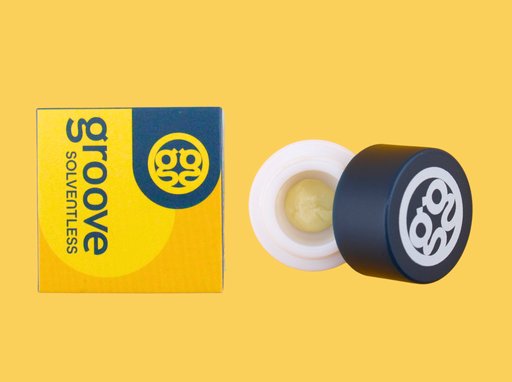


Garlic Cookies ROSIN BADDER
Indica / Garlic Cookies
Live Rosin
Package Size 1g Serving Size 0.1g
# Servings 10
A Certificate of Analysis (COA) is a detailed document that discloses the chemical profile and safety characteristics of a specific batch of cannabis product. This essential report ensures transparency and compliance in the regulated cannabis industry by verifying that the product is safe, consistently manufactured, and meets stringent quality standards. High Performance Liquid Chromatography (HPLC) is commonly employed to analyze cannabinoids, terpenes, and contaminants.
ND means that the compound was not detected in lab testing. <LOQ means that the compound was able to be detected in such a small amount that an accurate measurement could not be made.
Test Results Report
Result Totals
-
The sum of cannabinoids present in a cannabis sample that have psychoactive or therapeutic effects.
-
Total amount of delta-9-tetrahydrocannabinol, the primary psychoactive cannabinoid in cannabis.
-
Total amount of aromatic compounds that contribute to the flavor, aroma, and potential effects of cannabis.
-
Total amount of cannabidiol, a non-intoxicating cannabinoid known for its potential therapeutic effects.
Tests Performed
-
Cannabinoid potency
PASSED
Analysis of major cannabinoids by advanced chromatography. Cannabinoids make up the Total Active Cannabinoids (or TAC) number you typically see on batch labels. See the Cannabinoids and Terpenoids section for greater detail on exactly which cannabinoids are present in this product and batch and how they map to some of the unique mental and physical effects for each cannabinoid.
- Foreign materials PASSED
-
Microbials
PASSED
Yeast, mold, and bacteria, including E. coli and Salmonella, are microbiological contaminants that may be found in cannabis. Inhaling even small amounts of microbiological contaminants may lead to infections, especially in patients with compromised immune systems. By utilizing validated Most Probable Number (MPN) methods and Enzyme Linked Fluorescent Assay (ELFA), labs can confirm microbiological contaminants for any product.
- Moisture content TESTED
-
Mycotoxins
PASSED
Toxic compounds produced by certain molds that can contaminate cannabis and pose health risks.
-
Pesticides
PASSED
Pesticides are used to protect plants from biological pests, contaminants, and diseases. When inhaled, especially by patients with compromised immune systems, even small amounts of pesticides can cause serious health problems.
-
Terpene profiling
TESTED
Analysis of terpenoids by G-C/MS. Terpenoids are responsible for the smell of cannabis and act upon receptors and neurotransmitters similar to antidepressants, can have anti-inflammatory properties, and more. See the Cannabinoids and Terpenoids section for greater detail on exactly which terpenoids are present in this product and batch and how they map to some of the unique mental and physical effects for each terpenoid.
Pesticides
- Pesticides are chemicals used to control pests such as insects, fungi, and weeds. Their residues can pose health risks if not properly monitored and controlled.
-
Abamectin ND
-
Acephate ND
-
Acequinocyl ND
-
Acetamiprid ND
-
Aldicarb ND
-
Azoxystrobin ND
-
Bifenazate ND
-
Bifenthrin ND
-
Boscalid ND
-
Carbaryl ND
-
Carbofuran ND
-
Chlorantraniliprole ND
-
Chlorfenapyr ND
-
Chlorpyrifos ND
-
Clofentezine ND
-
Cyfluthrin ND
-
Cypermethrin ND
-
Daminozide ND
-
Diazinon ND
-
Dimethoate ND
-
Ethoprophos ND
-
Etofenprox ND
-
Etoxazole ND
-
Fenoxycarb ND
-
Fenpyroximate ND
-
Fipronil ND
-
Flonicamid ND
-
Fludioxonil ND
-
Hexythiazox ND
-
Imazalil ND
-
Imidacloprid ND
-
Kresoxim Methyl ND
-
Malathion ND
-
Metalaxyl ND
-
Methiocarb ND
-
Methomyl ND
-
Methyl Parathion ND
-
Myclobutanil ND
-
Naled ND
-
Oxamyl ND
-
Paclobutrazol ND
-
Permethrin ND
-
Phosmet ND
-
Piperonyl Butoxide ND
-
Prallethrin ND
-
Propiconazole ND
-
Propoxur ND
-
Pyrethrin II ND
-
Pyridaben ND
-
Spinosyn A ND
-
Spiromesifen ND
-
Spirotetramat ND
-
Spiroxamine ND
-
Tebuconazole ND
-
Thiacloprid ND
-
Thiamethoxam ND
-
Trifloxystrobin ND
-
Dichlorvos ND
-
MGK-264 ND
Cannabinoids
-
Tetrahydrocannabinolic acid, the precursor to THC found in raw cannabis which becomes THC when heated.
-
Cannabigerolic acid, the precursor to major cannabinoids like THC and CBD.
-
THC, Δ9-THC, or tetrahydrocannabinol, is the chemical compound in cannabis responsible for a euphoric high. THC has a wide range of short-term effects which may or may not be experienced depending on the individual. For example, while some may find that THC elicits strong feelings of calm and peace, others may notice an increase in their anxiety levels. The difference can be as simple as one’s own body chemistry, but certain strains and varying concentrations of THC can also create different outcomes in how one feels.
-
THCVa 0.56%
-
Cannabidiolic acid, the precursor to CBD found in raw cannabis which converts to CBD when heated.
-
Delta-8-tetrahydrocannabinol, a cannabinoid with psychoactive properties similar to delta-9-THC but less potent.
-
Tetrahydrocannabivarin, a cannabinoid that may have different effects than THC, potentially influencing appetite and metabolism.
-
Cannabichromene, also known as CBC, was discovered over 50 years ago and is considered one of the “big six” cannabinoids prominent in medical research. It doesn’t get as much attention, but CBC’s benefits are extremely promising for anything from cancer, alzheimer's, general pain and inflammation, depression, and even acne.
-
CBD, or Cannabidiol, is typically the second-most abundant cannabinoid in cannabis, but this isn’t always the case. High-CBD strains tend to deliver very clear-headed, functional effects without the euphoric high associated with high-THC strains. They’re typically preferred by consumers who are extremely sensitive to the side effects of THC (e.g., anxiety, paranoia, dizziness). A high-CBD strain would also be a great choice for someone needing to medicate throughout the day to control pain, inflammation, anxiety, or other chronic conditions.
-
CBG is a non-intoxicating cannabinoid, meaning it doesn’t produce the “highs” that are synonymous with THC. Because it is present in low levels (usually less than 1%) in most cannabis strains, CBG is considered a minor cannabinoid. CBG is thought to be particularly effective in treating glaucoma because it reduces intraocular pressure. It is a powerful vasodilator, has neuroprotective effects, can reduce inflammation, and have antibacterial properties.
-
Cannabinol, a mildly psychoactive cannabinoid formed when THC ages or is exposed to oxygen.
Terpenes
- Aromatic compounds found in cannabis that contribute to its flavor and potential effects.
-
A spicy terpene found in black pepper and cannabis, known for its potential anti-anxiety and pain-relieving effects.
-
A musky, earthy terpene found in cannabis and hops, believed to enhance the effects of THC and have sedative properties.
-
A citrus-scented terpene found in citrus fruits and cannabis, known for its potential mood-enhancing and digestive benefits.
-
A terpene with an earthy, woody aroma found in hops and cannabis, known for its potential anti-inflammatory effects.
-
A floral terpene with soothing properties, often used in skincare for its anti-inflammatory and antibacterial benefits.
-
Another pine-scented terpene known for its potential anti-inflammatory properties and ability to counteract some of the effects of THC.
-
A terpene with a floral, woody aroma found in many plants, believed to have sedative and antioxidant properties.
-
A floral terpene with a lavender-like aroma found in many plants, valued for its calming and stress-relieving effects.
-
A terpene alcohol with a lilac-like aroma found in many plants, used in perfumery and as an antimicrobial agent.
-
A terpene alcohol with a piney aroma, believed to have antioxidant and anti-inflammatory properties.
-
A pine-scented terpene that may help improve airflow and enhance mental alertness.
-
A terpene oxide with a spicy, woody aroma found in cannabis and spices, believed to have anti-inflammatory properties.
-
A compound with a sweet, fruity scent found in essential oils, valued for its calming properties.
-
A terpene with a menthol-like aroma, historically used in traditional medicine for its calming effects.
-
A terpene with a herbal, cooling scent, sometimes used in topical creams and ointments.
-
A terpene with a fresh, herbal aroma found in cannabis and some herbs, used in perfumery and as a flavoring agent.
-
A terpene with a sweet, earthy aroma, believed to support bone health and have anti-inflammatory properties.
-
A terpene with a citrusy, herbal aroma, sometimes used in fragrances and as a natural insect repellent.
-
A terpene oxide with a fresh, minty scent found in eucalyptus oil, known for its respiratory benefits.
-
A terpene with a citrusy aroma found in many aromatic plants, valued for its potential antimicrobial properties.
-
A terpene alcohol with a rose-like aroma found in geraniums and other plants, often used in perfumery and aromatherapy.
-
A terpene with a woody, herbal scent found in several plants, believed to have antimicrobial and anti-inflammatory properties.
-
A terpene alcohol with a minty aroma found in various plants, valued for its aromatic properties.
-
Another form of ocimene with a similar sweet, herbal aroma and uses.
-
A specific form of phellandrene with a distinct aromatic profile and similar uses.
-
A terpene with a piney, herbal aroma found in many plants, used in perfumery and flavoring.
Mycotoxins
-
Ochratoxin A ND
-
Total Aflatoxins ND
Microbials
- Bacteria and fungi that can contaminate cannabis and potentially cause illness if consumed.
-
Specific microorganisms that can contaminate cannabis and pose health risks.
-
Specific microorganisms that can contaminate cannabis and pose health risks.
-
Specific microorganisms that can contaminate cannabis and pose health risks.
-
Specific microorganisms that can contaminate cannabis and pose health risks.
-
Specific microorganisms that can contaminate cannabis and pose health risks.
-
Specific microorganisms that can contaminate cannabis and pose health risks.
Filth and Foreign Material
- Unwanted substances or contaminants that can be found in cannabis, indicating poor quality or improper handling.
-
Examples of filth and foreign material that can contaminate cannabis products.
-
Examples of filth and foreign material that can contaminate cannabis products.